Langøyene Island: Ferry, Camping, and Visitor Guide
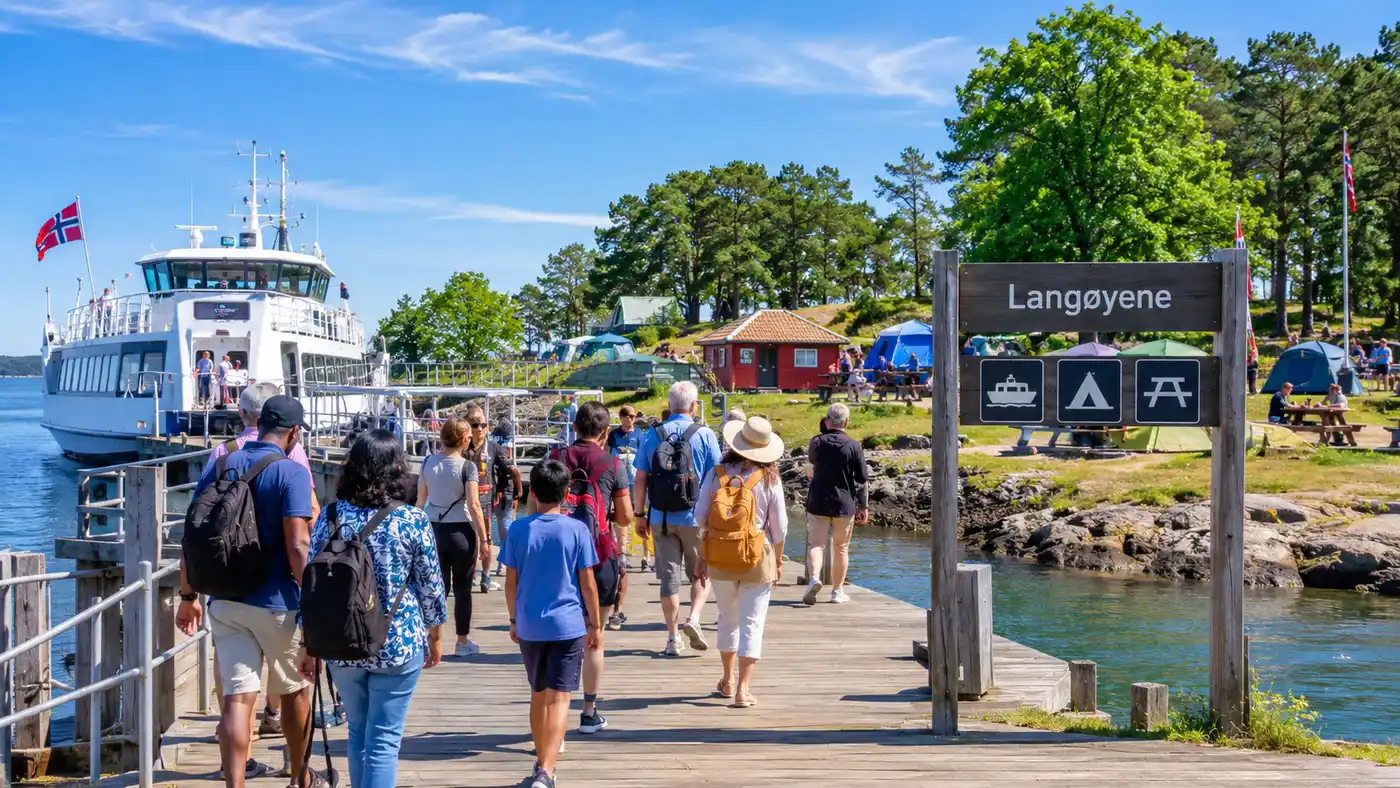
Most visitors to Oslo never leave the asphalt along the harbor, which always strikes me as a missed opportunity. If you jump on the ferry from the city center on a bright summer morning, the skyline drops behind you within ten minutes, replaced by pine-covered granite and open water. Among all the scattered dots in the inner fjord, langøyene island stands apart because it offers something none of the other inner islands permit. You can actually roll out a sleeping bag here and stay overnight under the stars without paying a single krone.
This guide covers everything you need to know about visiting this strange, lovely stretch of land. We will dig into how the ferry works, where to pitch your tent, the island's fascinating transformation from an industrial dump to a lush park, and what to expect from the facilities on site.
Book your oslo island hopping experience:
Catching the Langøyene Ferry: Getting to the Island
Getting to langøyene oslo is wonderfully straightforward because the boats are part of the standard municipal transit network run by Ruter. You do not need an expensive tourist cruise ticket. A standard single zone 1 public transit ticket, which costs 42 NOK, covers the entire boat ride out into the fjord. If you already purchased a 24-hour transit pass or a 7-day travelcard for the city trams and metro lines, your boat ride is completely covered. If you need a breakdown of all the harbor routes, our complete guide to Oslo island ferries walks through the entire network.
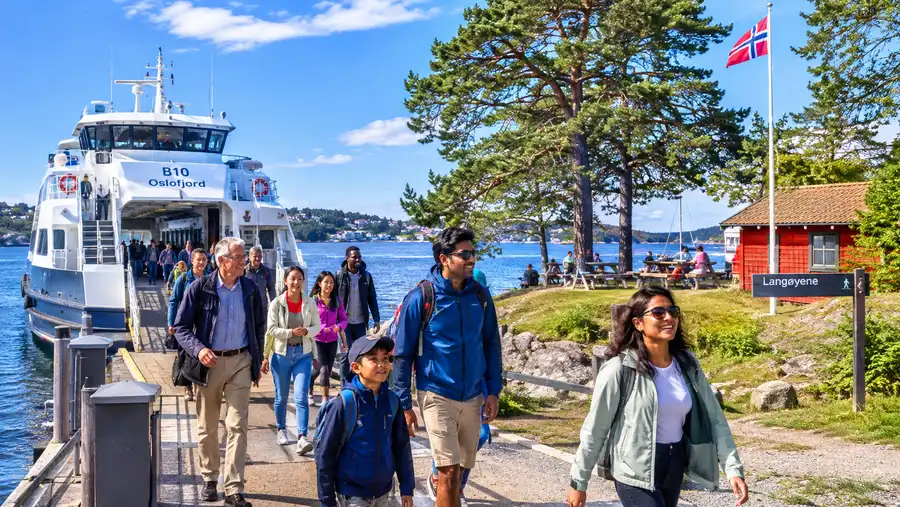
The ferry you want is line B10. It leaves from Rådhusbrygge 4, the stone pier sitting right in front of the brick town hall. In peak summer between late May and mid-August, the boats pull away roughly every 30 minutes, starting around 7:30 on weekdays. On a baking July afternoon, the queue at Rådhusbrygge snakes out past the ice cream stand. Boarding goes quickly, but if you have a bulky trolley or a four-person tent strapped to your back, aim to arrive 15 minutes before departure so you are not fighting for deck space.
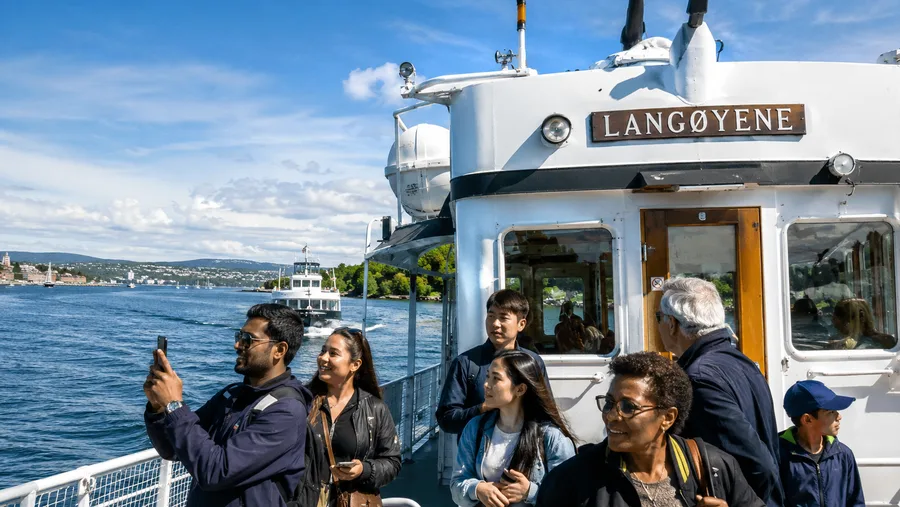
The ride itself takes between 25 and 35 minutes depending on whether the boat sails directly to the island or loops around Hovedøya first. Standing on the top deck while the boat slips past the fortress walls of Akershus Fortress is easily one of the best cheap thrills in the city. The wind picks up as you cross the open channel toward Bleikøya, and by the time the boat slows to bump against the concrete pier at Langøyene, the noise of the city has vanished completely.
| Ferry Detail | Specification | Traveler Tips |
|---|---|---|
| Route Number | Line B10 | Departs from Rådhusbrygge 4 |
| One-Way Fare | 42 NOK (adult single) | Standard Ruter Zone 1 ticket |
| Travel Time | 25 to 35 minutes | Scenic ride past historic fortress |
| Summer Frequency | Every 30 to 45 minutes | Boats fill fast on sunny weekends |
| Operating Season | Late spring to early autumn | Service drops off heavily after September |
From City Trash Dump to Pristine Nature Reserve
The island has a weird, dirty secret beneath the clover. A century ago, this was not one island at all. It was two distinct landmasses named Nordre Langøy and Søndre Langøy, separated by a narrow sound of salt water. In 1904, the city council decided that the gap between the two islands was an ideal spot to dump Oslo's household garbage. For nearly forty years, barges loaded with ash, food scraps, broken porcelain, and domestic waste chugged out here every day and dumped their contents into the sea channel until the water disappeared under mountains of refuse.
By 1948, the dump was full. The city covered the mountain of rubbish with topsoil, planted grass, and handed the merged island over to the public as an outdoor playground. Generations of locals swam here, sunbathed on the lawn, and kicked footballs across what used to be old soup cans and stove ashes. Underneath the grass, though, the ground kept shifting. By 2013, environmental inspectors realized heavy metals and toxic chemicals were leaching out of the old waste layer into the surrounding waters of langøyene oslofjorden.
The city shut the island down completely in 2020 for a massive cleanup that cost over 300 million NOK. Workers spent two years sealing the entire central depression with impermeable geotextile membranes, stone layers, and thousands of tons of clean gravel and rich soil. When the island reopened to the public in summer 2022, it was transformed into a spotless eco-park with fresh meadows, modern water lines, and clean shorelines. You would never guess you are standing on top of forty years of discarded Edwardian trash.
Camping Langøyene: Rules, Spots, and Realities
If you want to pitch a tent in the inner fjord, this is your only legal option. Norwegian right to roam laws (allemannsretten) let you camp on uncultivated land elsewhere in the country, but the city government banned overnight camping across all the other inner islands to protect fragile nature reserves and historic ruins. Camping langøyene is the sole glorious exception to the rule.
You do not need to book a plot, and nobody checks you into a register. You simply step off the langøyene ferry, haul your gear over the hill, and pick an empty patch of grass on the designated camping lawn. The main camping area sits on the flat green saddle right in the middle of the island, between the two wooded ridges. It is completely free of charge, but you must respect the local ordinances.
Note: The city limits tent camping to a maximum of two consecutive nights per stay. Open campfires on bare rock or grass are strictly banned throughout the summer season, though you may use elevated camping stoves or the designated communal charcoal grills near the service building.
The vibe out here changes dramatically depending on the day. Tuesday night in early June feels peaceful, with only three or four tents scattered across a massive lawn, a couple of sea kayakers brewing coffee, and birds calling from the pines. Friday night in mid-July is a mini festival. Groups of young locals haul large soundboxes and coolers full of beer off the last ferry, setting up colorful dome tents until the lawn looks like a campground at Glastonbury. If you want silence, pitch your tent as close to the tree line on the north knoll as possible.
Here are several practical rules to keep your camping trip smooth and pleasant:
- Maximum stay duration: two consecutive nights per tent, strictly enforced by municipal wardens during high season.
- Sanitation and trash: bring heavy-duty garbage bags to haul all personal food waste to the sorting sheds near the dock.
- Stove safety: gas camp stoves are allowed on the flat grass, but keep them far from dry pine needles near the rocks.
- Fresh drinking water: free outdoor taps run from late May until late September near the central shower house.
Lately, the local trekking association has stepped in to run family-friendly activities during peak weeks. Look out for dnt langøyene workshops and equipment rentals near the harbor pier, where they occasionally lend out games, hammocks, and basic water safety gear to campers.
Book your oslo island hopping experience:
Beaches, Swimming, and the Famous South Shore
The primary draw for day-trippers is the massive sandy beach on the east side of the island. Most beaches in the Oslofjord consist of coarse crushed shells or sharp shale, but the main bay here has soft sand that slopes gently into deep water, making it heaven for families with young children. If you want to compare shorelines across the archipelago, read our guide to the best beaches on the Oslo islands before setting your itinerary.
Pro tip: The shallow waters of the east bay warm up several degrees faster than the open channels, reaching swim-friendly temperatures by late June, but the rocky western cove gets much better afternoon sun if you prefer swimming late in the day.
The island has a clear social division that regular visitors understand immediately. The broad eastern beach is the family zone, buzzing with toddlers, picnic hampers, inflatable swans, and paddleboards. If you walk across the central grass lawn and follow the gravel path heading south through the birch trees, you will reach the southern rocks. This rocky point has been Oslo's premier naturist bathing area since the 1930s. The nudist section is well-established, completely relaxed, and welcoming to anyone who prefers swimming without wet swimwear clinging to their skin. Nobody will bother you as long as you treat the space with normal Scandinavian modesty and avoid pulling out cameras.
The rocky western side facing towards Ormøya is far rougher. It lacks sand completely, but it offers smooth granite slabs that absorb the midday sun. It is my favorite spot on the entire island for diving straight into the deep water where you do not have to wade through seaweed.
Facilities, Food, and the Langøyene Kiosk
Before the 2020 renovation, the amenities on Langøyene were notoriously rough, featuring smelly chemical drop toilets and sporadic cold water taps that ran dry by August. The modern service hub built near the ferry dock changed all that. The new wooden complex features immaculate flushing toilets, outdoor cold showers to rinse off salt water, indoor changing rooms, and accessible family facilities that stay clean even when crowds peak on warm weekends.
Food options on the island are limited, so plan your provisions carefully. The langøyene kiosk sits just up the path from the ferry landing. It sells good quality filter coffee, cold bottled sodas, local draft beers, soft-serve ice cream, and pre-packaged sandwiches or warm toasties. The prices reflect typical Norwegian convenience rates, so expect to pay around 45 NOK for a simple filter coffee and roughly 65 NOK for a warm cheese toastie. The kiosk is only open when the weather is decent. If the morning starts with gray skies and a stiff drizzle, the kiosk staff often stay on the mainland, leaving you stranded if you forgot your lunch.
Always pack your own food basket. Here is how I suggest preparing for an easy day trip:
- Bring a loaded cooler bag: pack cold cuts, sourdough loaves, fruit, and snacks bought from a city grocery store like Kiwi or Rema 1000 where prices are normal.
- Carry an empty water bottle: refill for free at the clean tap on the exterior wall of the toilet pavilion.
- Pack warm layers: an offshore breeze whips across the open meadows unexpectedly around five in the afternoon even in mid-July.
- Carry a lightweight dry bag: keep your electronics safe from sudden summer downpours while waiting on the exposed ferry quay.
There are also several beach volleyball courts laid out in the central flat area. Bring your own ball if you fancy a match, as the kiosk occasionally runs out of balls to lend on busy afternoons.
Frequently Asked Questions about langøyene island
Can you visit Langøyene during the winter?
No regular public ferries run to the island between mid-October and late April. The island is completely quiet in winter, accessible only to private boat owners or hardy sea kayakers who bring their own emergency gear.
Are dogs allowed on Langøyene?
Yes, dogs are welcome on the island, but Norwegian leash laws (båndtvang) require them to remain on a lead from April 1 to August 20. Dogs are not permitted on the sandy public swimming beach on the east side.
Is there electricity or charging stations on the island?
There are no public power outlets or phone charging lockers anywhere on the island. Campers need to carry fully charged portable power banks if they want to keep their phones working for navigation and tickets.
Quick Reference
- Ferry B10 departs Rådhusbrygge 4 (standard Zone 1 fare)
- Camping allowed: max 2 nights, 100% free of charge
- Facilities include modern toilets, drinking water, and outdoor showers
- Naturist swimming section located on the southern tip
Book your oslo island hopping experience:
The Bottom Line
Langøyene offers an experience you will not find anywhere else in the capital region. It is raw, social, slightly untamed, and completely free of the manicured pretension of city center parks. Whether you are pitching a tent for a night under the northern twilight or just laying out a towel on the east beach for an afternoon dip, make time to catch the ferry out here. Pack a loaf of bread, some brown cheese, and a warm fleece sweater, and see Oslo the way locals have seen it for generations.
Read more about oslo island hopping.