Complete Guide to Oslo Island Ferries: Routes, Schedules, and Tickets
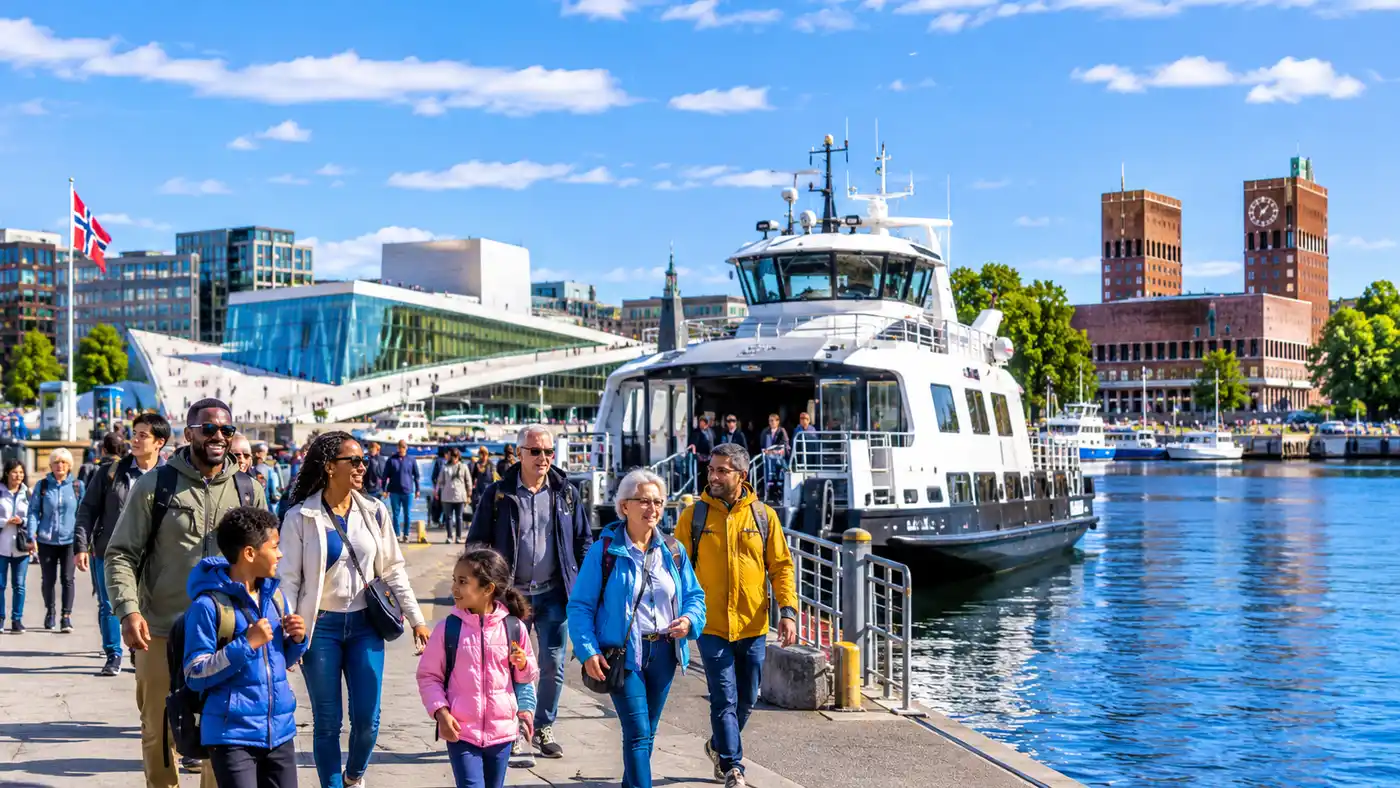
Standing at the waterfront behind Oslo City Hall on a sunny June morning, you will see hundreds of locals carrying canvas bags, rolled towels, and six-packs of sparkling water toward the piers. Nobody is heading to a cruise ship. They are checking the oslo ferry schedule on their phones to catch the next public boat out into the inner archipelago. It is one of the easiest, cheapest city escapes in Northern Europe, taking you from paved sidewalks to rocky swimming coves in about twelve minutes.
The ferry system runs under Ruter, Oslo's regional public transit authority. That means the boats share the exact same ticketing system as the city trams, buses, and metro lines. You do not need an expensive private charter or an organized sightseeing cruise to see the islands. Whether you want to explore medieval monastery ruins, pitch a tent on a sandy beach, or simply ride back and forth across the water with a thermos of coffee, getting your head around the lines, departure piers, and seasonal timetables makes all the difference.
Book your oslo island hopping experience:
Finding the Boats at City Hall Pier 3 Oslo
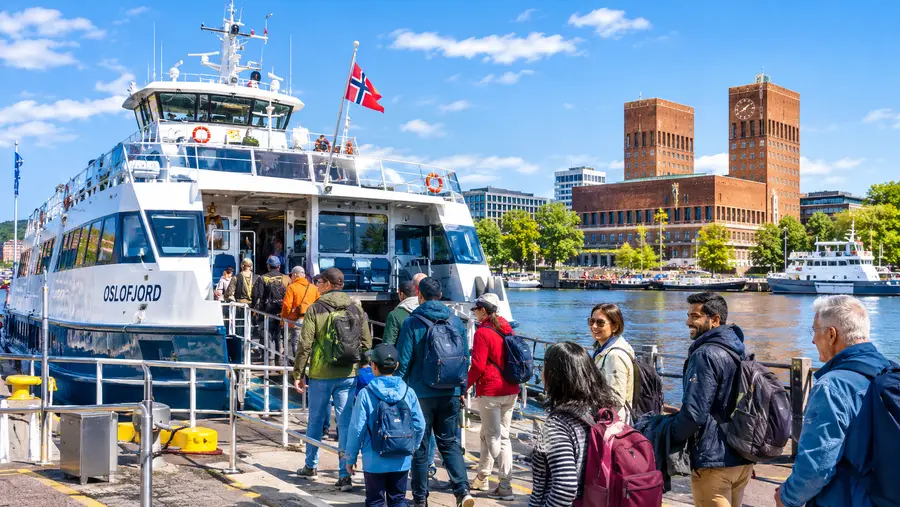
Oslo's island ferries leave from the quays directly in front of the brick town hall. If you search for the departure point on maps, look for Rådhusbrygge 4, though locals and older guidebooks often refer to city hall pier 3 oslo when directing visitors toward the island boats. Aker Brygge sits just to the west with its upscale seafood restaurants and boardwalk patio bars. You can easily walk here from the Nationaltheatret transit hub in about seven minutes.
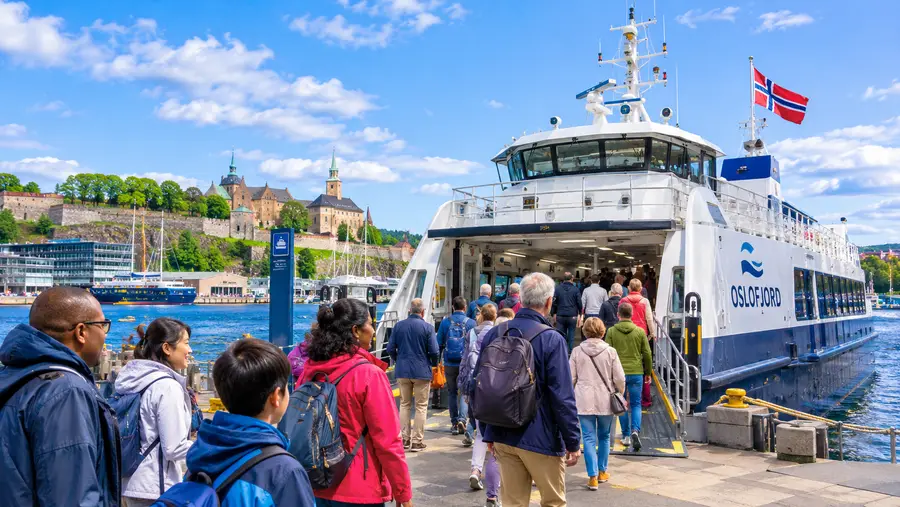
The quay setup is straightforward. Electronic boards display the next departures alongside line numbers and boarding gates. During the peak summer weeks, Ruter sets up queuing barriers to handle the crowds heading out to swim. Boarding queues can stretch twenty or thirty meters back toward the square on hot July afternoons, but the catamarans load surprisingly fast. The ramp drops, foot passengers walk aboard, bicycles and strollers roll on, and the boat pulls away strictly on time.
If you arrive early, grab a bench near the harbor edge and watch the commuter traffic. Watching the electric ferries glide into the dock without any diesel rumble is a great way to start your morning. The city converted the inner fjord fleet to battery-electric vessels recently, so the crossing is quiet, smooth, and free of exhaust fumes.
Pro tip: Board the upper outdoor deck on the starboard side when departing the city, because you will get an unobstructed view of Akershus Fortress rising above the shoreline as the boat swings south.
Oslo Ferry Routes and the B1 Line Breakdown
Understanding the oslo ferry routes is simple once you realize they function like circular bus loops on the water. The core route that operates year-round is the b1 ferry oslo. This line runs a counter-clockwise loop through the archipelago. It leaves the city pier, calls at Hovedøya first, continues on to Bleikøya, swings around Gressholmen, stops at Lindøya East, touches Lindøya West, hits Nakholmen, and then cuts straight back to City Hall.
The entire circuit takes around fifty minutes if you stay on board for the complete loop, making it the most affordable boat trip oslo has to offer. In the warm season, Ruter divides the load. They add the B2 line to provide direct connections to Hovedøya, Lindøya, and Nakholmen, while the B9 ferry runs straight between City Hall and the swimming shores of Langøyene. If you plan to spend an afternoon wandering through 12th-century stone arches, check out our guide to an Hovedøya island day trip to make the most of the first stop on the route.
Navigating these stops requires paying attention when you step onto the boat. While the main B1 loop hits almost every dock, some late evening runs skip smaller stops like Bleikøya unless a passenger requests it by pressing a stop button near the exit ramp. A clean oslo ferry map is posted at every pier shelter, showing the color-coded paths and connections clearly.
| Ferry Line | Primary Stops | Summer Frequency | Winter Frequency | Typical Crossing Time |
|---|---|---|---|---|
| Line B1 | Hovedøya, Bleikøya, Gressholmen, Lindøya, Nakholmen | Every 20–30 minutes | Every 60 minutes | 8–12 mins to first stop |
| Line B2 | Hovedøya, Lindøya West, Nakholmen | Every 30 minutes (Peak) | No service | 10 mins to Hovedøya |
| Line B9 | Langøyene Direct | Every 30 minutes | Weekends only or paused | 20 mins direct |
Navigating the Oslo Ferry Schedule Across the Seasons
The oslo ferry timetable changes dramatically between May and October. In the depth of winter, service drops to roughly one boat per hour on the B1 loop. Many summer cabins on Lindøya and Bleikøya sit shuttered and dark under heavy snow, so the boats mainly serve year-round residents and winter swimmers heading for wood-fired saunas. You need to keep an eye on your watch in December, because missing a return oslo ferge means a freezing sixty-minute wait on an open wooden dock.
Come mid-May, everything wakes up. The oslo b1 ferry schedule ramps up to departures every twenty to thirty minutes from early morning until well past ten at night. Norwegians treat the evening boat like an extension of their living room. You will see families carrying takeout sushi or insulated picnic baskets aboard at 7:00 PM, chasing the midnight twilight that bathes the Oslofjord in pale amber light for hours.
Checking times beforehand is best done using the official Ruter travel app. Paper timetables posted at the island docks can become outdated after seasonal schedule adjustments. Storms and heavy fjord fog occasionally slow down docking procedures, but genuine cancellations are uncommon because the inner islands sit well protected from open sea swells. This body of water is technically the closest fjord to oslo city center, offering calm maritime passages throughout the year.
Note: Return ferries from the islands during sunny Sunday afternoons in July fill up fast; if the deck reaches maximum legal passenger capacity, the crew will depart and you will have to wait for the next scheduled boat.
Book your oslo island hopping experience:
Tickets, Fares, and Practical Island Hopping Tips
Because the ferry oslofjord network belongs to the standard municipal transit grid, you do not buy individual boat tickets at premium prices. A single Zone 1 ticket covers your journey entirely. In 2024, that costs 42 kroner for an adult, valid for 60 minutes from the moment you activate it. If you step off at Hovedøya, spend forty minutes looking at the monastery walls, and jump back on the ferry before your sixty minutes run out, you do not even need to pay an extra fare.
Buying a 24-hour public transport pass makes even more sense if you want to island-hop casually. For about 127 kroner, you get unlimited rides on the metro, buses, trams, and all island ferries for a full day. If you plan an overnight adventure, such as pitching a tent and camping on Langøyene, remember that you will need a fresh single ticket or a multi-day pass for your return boat the following morning.
- Buy tickets on your phone: Download the Ruter app before you reach the harbor, load a credit card, and purchase your ticket so you can activate it right as you walk toward the gangway.
- Zone validity matters: The island ferries fall entirely within Zone 1, meaning standard city passes cover them without any surcharge.
- No cash on board: Crew members do not sell tickets on the deck, so boarding without a validated digital ticket or transit card risks a hefty fine during random dock inspections.
- Oslo Pass is accepted: If you bought an Oslo Pass for museum entries, ferry travel is fully included; simply show your active pass screen if prompted.
Taking gear aboard is easy compared to airlines or intercity trains. Strollers roll straight across the gangway into designated wide bays near the passenger entrances. You can bring bicycles onto the boats, though deck hands might ask you to wait for the next vessel if the outdoor bike racks fill up on sunny weekends. Dogs are welcome on leashes, and during the hot months, you will see plenty of golden retrievers panting happily on the breezeways.
Choosing Your Island: A Quick Boat Trip Oslo Itinerary
Every island on the route has its own distinct personality. Choosing where to disembark depends on whether you prefer secluded forest trails, social swimming beaches, or tiny painted wooden cottages packed shoulder to shoulder along gravel footpaths. The ferry oslo to islands route lets you mix and match several spots in a single afternoon without feeling rushed.
Hovedøya is the greenest and most historically layered of the group. Beyond the old stone monastery founded by English Cistercian monks in 1147, it holds nineteenth-century cannon batteries, quiet pebble coves, and dense lilac bushes that perfume the trails in late spring. It has no private summer cottages, meaning you can wander across almost the entire island freely without worrying about stepping into someone's front yard.
Lindøya and Nakholmen present a totally different picture. These islands are famous for their dense clusters of historic red, yellow, and blue wooden holiday cabins, roughly three hundred on Lindøya alone. Families have handed these cottages down through generations. The tiny pathways between them wind past manicured flower beds, wooden flagpoles, and narrow boat docks. Walking these paths feels intimate, so stay on the marked tracks and keep your voice down near the cottage porches.
- Hovedøya for history and woods: Best for exploring English-built monastery ruins, dense forest walks, and rocky picnic spots away from traffic.
- Langøyene for beaches and camping: The go-to destination for wide sandy beaches, sand volleyball courts, and the only legal free camping island close to the center.
- Lindøya for cottage charm: Great for strolling narrow footpaths flanked by tiny historic summer cottages with meticulously tended gardens.
- Gressholmen for birdlife and dining: Features quiet nature reserves on its eastern edge and a historic island inn serving fresh lunches under tall trees.
If you get hungry during an island crawl, dining options are limited, so most people bring their own provisions. Gressholmen is the notable exception, hosting a legendary summer tavern that makes a great midday lunch stop before continuing your journey along the archipelago loop. Pack an extra sweater even on warm days, because the wind picking up across the water as the sun dips behind the hills can catch you off guard.
Frequently Asked Questions about oslo ferry schedule
How often does the B1 ferry leave City Hall?
During the summer peak, the B1 ferry leaves every 20 to 30 minutes from morning until late night. In the winter months, departures drop to once every 60 minutes throughout the day.
Can I use a regular Ruter bus ticket on the Oslo island ferries?
Yes, all island boats are part of the standard Ruter public transit network. A standard Zone 1 single ticket, 24-hour pass, or 7-day transit card covers your entire ferry ride without extra fees.
Do the Oslo ferries run all year round?
The B1 ferry runs 365 days a year connecting City Hall with the inner islands. However, seasonal lines like the B2 and the B9 route to Langøyene pause or operate with very limited timetables outside the summer season.
How early should I arrive at City Hall Pier before departure?
On an ordinary weekday, arriving 5 to 10 minutes before departure is plenty of time. On hot summer weekends between late June and early August, plan to arrive 20 minutes early to secure a good spot in the boarding line.
Quick Reference
- Departs from Rådhusbrygge 4 behind City Hall
- Standard Ruter Zone 1 ticket covers all routes
- Line B1 runs all year round
- Electric boats with indoor and outdoor deck seating
- Single ticket valid for 60 minutes across transfers
Book your oslo island hopping experience:
Before You Go
Spending a few hours out on the water gives you a completely different perspective on the Norwegian capital. Pack a lightweight windbreaker, download the Ruter app to your phone before leaving your hotel, and check the daily timetable so you never have to guess when the last boat returns. The islands offer a quiet pace that feels hundreds of miles away from city life, yet you can be sitting in a harborside bakery back on the mainland less than half an hour after stepping off the gangway.
Read more about oslo island hopping.