Visiting Gressholmen Island: Complete Day Trip Guide
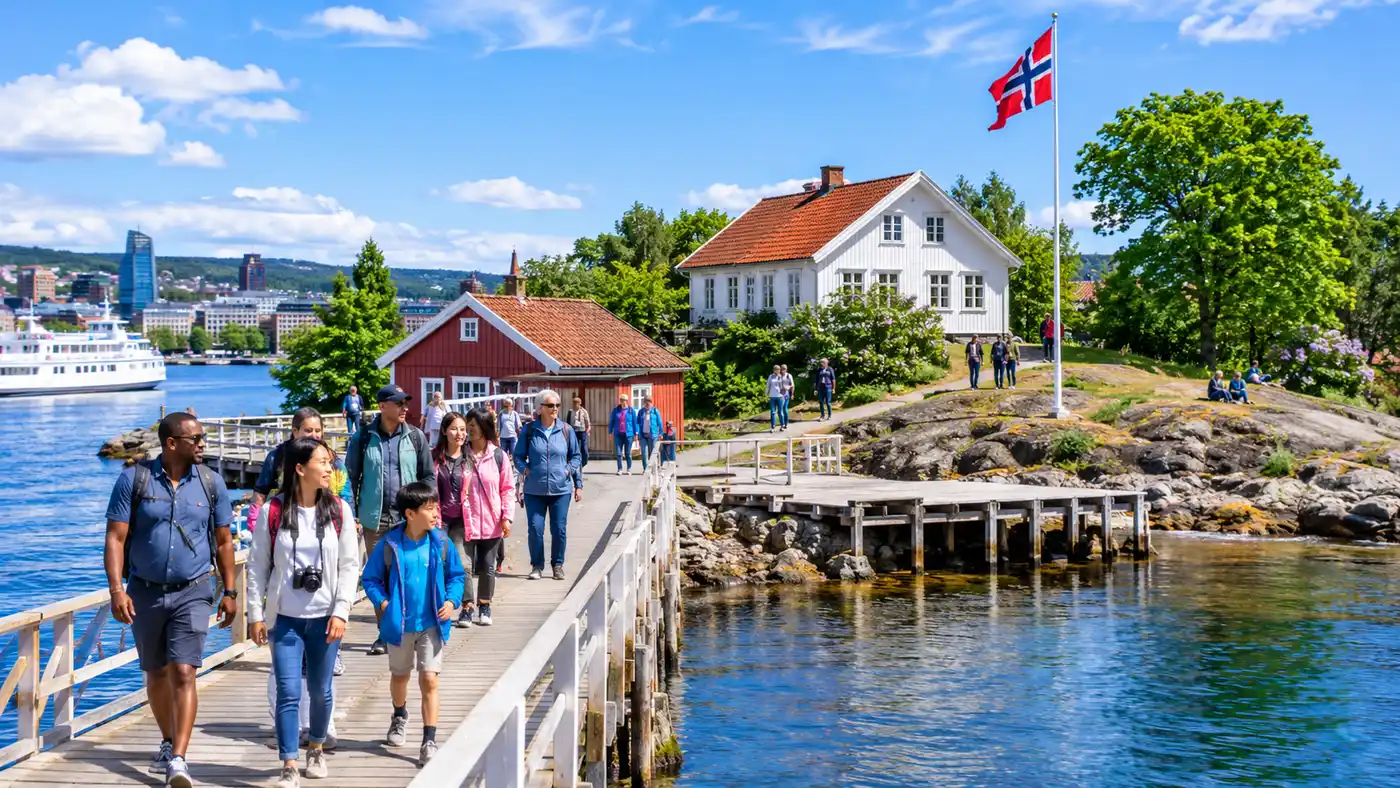
If you catch the little electric passenger boat from Rådhusbrygge 4 on a clear July morning, you can reach gressholmen island in about 17 minutes. Most tourists pack themselves like sardines onto the boats sailing toward Hovedøya to see the monastery ruins, leaving the wooden gangways here blissfully uncrowded. The boat hums quietly across the grey-green water, passes a couple of painted wooden sea cabins perched on tiny skerries, and bumps softly against the wooden pier at Gressholmen. Step off, and the noise of the city vanishes behind a screen of pine trees and salt spray.
This little corner of the inner fjord is actually three islands stitched together by narrow gravel causeways. Gressholmen, Heggholmen, and Rambergøya share an eccentric mix of nature reserves, seaplane history, sheltered pebble coves, and one of the oldest restaurants in the archipelago. Whether you want to swim off smooth granite rocks, wander past old industrial wooden cottages, or sip cold pilsner under birch leaves, this guide walks you through every practical detail you need to plan your day trip.
Book your oslo island hopping experience:
Getting There: Ferry Routes and Practical Transit
Reaching the island is cheap and simple because the local transit authority treats the ferry network just like a regular city bus. You hop aboard line B1, operated by Ruter, which departs year-round from pier 4 right in front of Oslo City Hall. Finding the boat to gressholmen oslo locals use every weekend is painless. Look for the electronic departures display near the water, scan your standard Zone 1 mobile ticket, and walk down the gangway.
The ferry line runs a continuous loop through the inner basin. Depending on whether you take a direct morning run or an afternoon triangle route, the boat trip might stop at Bleikøya or Lindøya first. Schedules vary depending on the season, so you should always check the app for rutetider gressholmen departures before you head down to the pier. On sunny June weekends the boats sail every 20 or 30 minutes, but in early spring or late autumn you might face two-hour gaps between departures. For an in-depth breakdown of ticket prices, transfer rules, and seasonal timetables across the entire harbor, check out our complete guide to Oslo island ferries.
Pro tip: Buy a standard 24-hour Ruter public transport pass for 127 NOK instead of single tickets. It covers your tram or metro ride to City Hall, the ferge gressholmen ride, and any island-hopping you want to do later in the day.
If you miss the last båt til gressholmen heading back to town in the evening, your only option is an expensive water taxi call, so take a screenshot of the evening timetable on your phone before you lose reception behind the bluffs. Private boats can tie up at gressholmen gjestehavn near the marina dock, though slips fill quickly on warm afternoons.
| Transit Option | Route / Departure Point | Approx. Travel Time | Cost (Single Adult) |
|---|---|---|---|
| Ruter Ferry Line B1 | Rådhusbrygge 4 (City Hall) | 15 - 22 minutes | 42 NOK |
| Direct Summer Ferry | Aker Brygge / Pier 4 | 14 minutes | 42 NOK |
| Private Water Taxi | Any harbor dock | 8 - 10 minutes | 800 - 1,200 NOK |
The Strange History: Seaplanes, Rabbits, and Maritime Relics
Gressholmen historie reads like a strange collection of unrelated historical experiments. Back in 1927, long before Fornebu or Gardermoen existed, this quiet patch of land became Norway's first main international airport. Floating docks were constructed, customs sheds went up, and pioneer airliners from Lufthansa and Det Norske Luftfartselskap landed right on the open water. The airport, known simply as gressholmen flyplass, handled Junkers seaplanes that shuttled adventurous passengers between Oslo, Gothenburg, Copenhagen, and Berlin. You can still see the enormous blue steel hangar standing silently by the shoreline, its concrete landing ramp sloping down into the water where giant multi-engine flying boats were once hauled out for maintenance.
Then came the rabbits. Sometime in the late 20th century, pet domestic rabbits were released on the island. With lush vegetation, soft sandy soil, and no natural predators, the kaniner på gressholmen bred at a staggering rate. By the early 2000s, thousands of furry residents had turned the ground into a honeycomb of burrows. Tourists loved them. The state environment agency did not. The gressholmen kaniner completely devoured the island's rare coastal flora, causing severe soil erosion and stripping the roots of protected lime-loving plants. In 2007, wildlife authorities conducted an eradication program to save the botanical ecosystem. Today, you will not spot a single rabbit across the heather, but the native plants have staged a remarkable comeback.
A short stroll across the southern footbridge brings you into Heggholmen, where another piece of working-class heritage sits preserved. A soap boiling factory and an oil-refining works operated here in the 1800s, leaving behind charming wooden worker cottages painted in ochre and barn red. At the outermost rocky point stands Heggholmen lighthouse, built in 1826. It is one of the oldest navigational lights in the inner Oslofjord, looking out across the deep shipping lane where massive international cruise ferries pass silently on their way to Denmark.
Walking Trails and Exploring the Nature Reserves
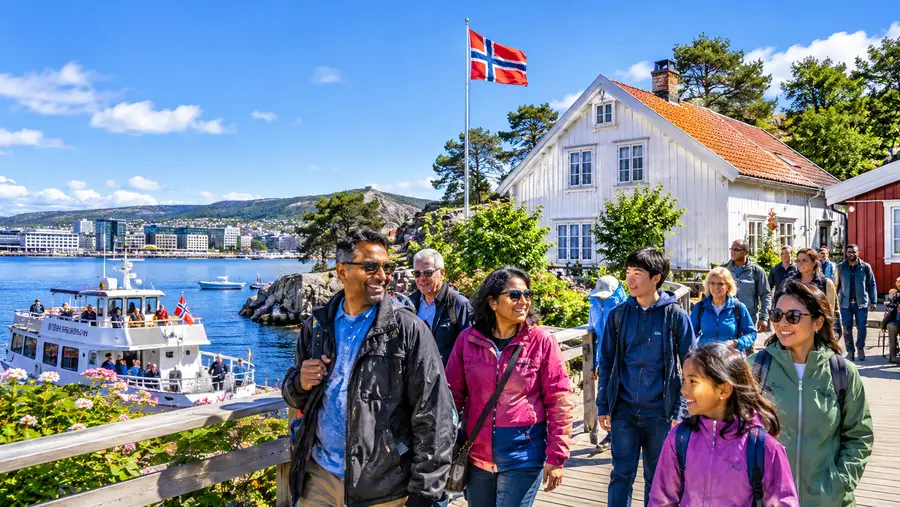
You can walk the entire outer perimeter of the three connected landmasses in about two hours. The trail network is known locally as gressholmen rundt, and it winds through pine woods, exposed shale ridges, and salt meadows. You do not need a paper gressholmen kart to find your way around, because small wooden signposts mark the key intersections, and water surrounds you on every side. If you lose the trail, simply walk uphill until you hit granite rock or head down until your boots touch the tide line.
Rambergøya, connected to the western flank of Gressholmen by an earthen dam built in the 1970s, feels entirely different from the rest of the island. It is protected as a strict nature reserve because of its rare coastal mudflats and salt marshes. migratory birds rest here every spring and autumn. The limestone bedrock creates thin, dry soil where wild thyme, blood-red cranesbill, and rare orchids flourish under the midday sun. Walking along the wooden boardwalks through the wetland reed beds, you can smell sweet marsh gas mixed with salty seaweed.
- Footwear: wear trail runners or sneakers with sticky rubber, since the smooth seaside rock shelves turn slippery when wet.
- Navigation: cell service is strong across the island, so digital maps work without needing offline downloads.
- Wildlife protection: stay on marked pathways on Rambergøya to avoid crushing ground-nesting shorebirds between April and mid-July.
- Drinking water: fill your water bottles at the ferry pier or the restaurant before you head onto the trails, as there are no trailside fountains.
Note: Camping and pitching tents are strictly forbidden across Gressholmen, Rambergøya, and Heggholmen to protect the fragile coastal reserve. Wardens patrol regularly during summer and issue hefty fines.
Book your oslo island hopping experience:
Dining and Refreshments: Gressholmen Kro
After walking a few miles across dry shale, the sight of picnic tables nestled under green leaves is a relief. Gressholmen Kro sits right in the middle of the island, housed in a white wooden villa that originally served as housing for seaplane airport workers before opening as a tavern in 1930. It feels like an eccentric summer cottage lost in time. Locals make the boat run out from Oslo simply to have lunch here on a sunny Saturday, making it one of the most beloved island institutions in the entire Oslofjorden basin.
The kitchen focuses on seasonal, uncomplicated Scandinavian food done properly. You can expect massive peel-and-eat shrimp buckets served with lemon, mayonnaise, and fresh sourdough bread, steaming bowls of blue mussels flavored with cider, open-faced smoked salmon sandwiches, and cold pints from local breweries. The atmosphere is loud, friendly, and informal. Dogs nap under wooden benches, children run through the surrounding grass, and boaters wander up from the slips in deck shoes. If you want to know more about the menu, hours, and table reservations, read our dedicated guide to dining at Gressholmen Kro.
During peak summer, the venue often hosts intimate open-air acoustic concerts, and sometimes small gatherings tied to the neighborhood gressholmen festival spirit occur on the lawns. Space on the gravel terrace fills quickly when the sun shines. If you cannot get a table, they usually operate an outdoor kiosk counter where you can grab soft-serve ice cream, bottled soda, filter coffee, or a pre-packed sandwich to take down to the rocks.
Swimming Spots, Facilities, and Island Logistics
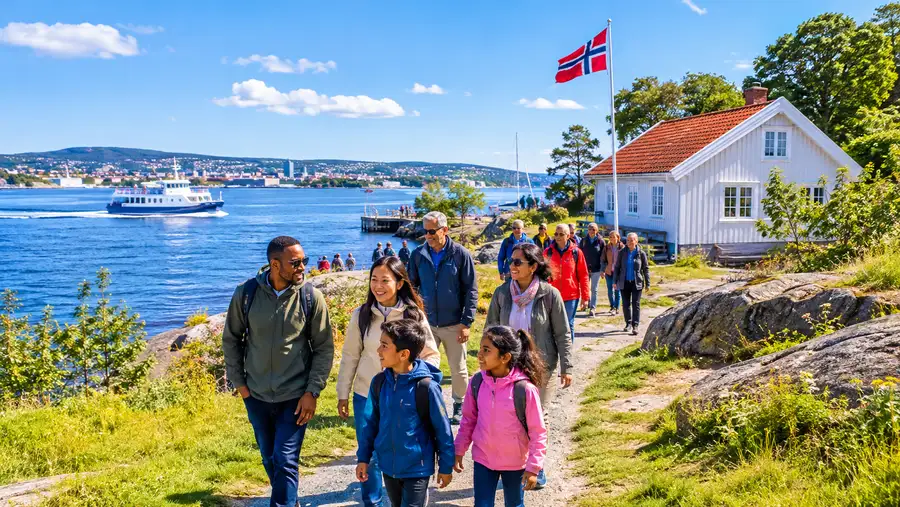
Swimming here is rougher and wilder than at the manicured public beaches on Langøyene. There are no groomed sandy strands on Gressholmen itself, but Rambergøya features a very shallow, pebble-filled bay on its southern curve that works nicely for wading. Most adults prefer sunbathing on the expansive, sun-warmed slate ledges along the southeastern tip. The rocks slope gently into deep, clean water, and swimmers mount stainless-steel boarding ladders bolted directly into the stone.
Finding a clean gressholmen toalett is straightforward if you stay near the main walking path. A public restroom block with flush toilets sits just above the main ferry quay, and additional facilities are located adjacent to the Kro during operating hours. The postal address for the whole setup is gressholmen 0150 oslo, but do not expect shops, pharmacies, or grocery stores out here. Bring sunscreen, insect repellent for the shaded woods, and your own snacks if you plan to bypass the restaurant.
For visitors interested in an overnight stay, the rules require some planning. As mentioned, tenting is illegal. However, the Norwegian Trekking Association offers a unique dnt gressholmen accommodation experience nearby. A historic keeper's house out by Heggholmen lighthouse functions as a bookable coastal cabin, often referred to locally as a dnt gressholmen hytte option. You need a DNT membership key to unlock the building, and bookings must be secured months in advance through their portal. If you fail to get a room there, traditional overnatting gressholmen stays are impossible, and you must take the evening boat back into town.
- Public restrooms: located 50 meters past the arrival pier and open throughout the ferry operational hours.
- Trash policy: pack out everything you pack in; garbage bins at the pier overflow rapidly on hot summer weekends.
- BBQ regulations: open campfires and disposable aluminum grills are banned across all rocky areas and meadows.
- Mooring fees: private day boats can dock briefly at the guest piers, but overnight slips require payment via the harbor app.
Frequently Asked Questions about gressholmen island
Can you camp overnight on Gressholmen island?
No, pitch-tent camping is prohibited everywhere across Gressholmen, Rambergøya, and Heggholmen because the islands are designated nature reserves. If you want to camp under the stars legally in the Oslofjord, you should catch the ferry to neighboring Langøyene instead.
Are there still wild rabbits living on Gressholmen?
No. While thousands of domestic rabbits once overran the island and gave it a quirky reputation, wildlife managers eradicated the invasive population in 2007 to restore the damaged botanical reserves and protect endangered native flora.
How long does the boat ride take from Oslo City Hall?
The ferry ride on Ruter line B1 takes between 15 and 22 minutes, depending on whether your specific vessel stops at Bleikøya first or sails directly to the Gressholmen pier.
Is Gressholmen Kro open year-round?
Gressholmen Kro operates on a seasonal schedule. It opens regularly from May through September, with daily lunch and dinner service in midsummer, but reduces its hours to sunny weekends only during the shoulder months before closing completely for winter.
Quick Reference
- Ferry line: Ruter B1 from Rådhusbrygge 4
- Travel time: 15 to 22 minutes
- Public transit zone: Zone 1 (regular city fare)
- Camping: strictly prohibited
- Main amenities: Gressholmen Kro, public toilets, hiking paths
Book your oslo island hopping experience:
The Bottom Line
Gressholmen delivers the purest distillation of Oslo's fjord life without the manufactured resort gloss. You get salt-weathered history, sprawling vistas of the Akershus skyline across open water, and quiet granite shelves where you can dry off in the afternoon breeze after a cold plunge. Pack a water bottle, grab a transit ticket on your phone, and make time to sit outside at the Kro with a plate of fresh fjord shrimp before catching the twilight ferry back to the city.
Read more about oslo island hopping.